

1. Create a Consistent Wind-Down Window
Your body thrives on rhythm. Going to bed at wildly different times confuses your internal clock and keeps stress hormones elevated.
Try to begin winding down 60–90 minutes before sleep every night. This doesn’t mean sleeping immediately, it means transitioning. Dim lights, lower stimulation, and let your nervous system shift out of “doing mode.”
Consistency matters more than perfection.
2. Reduce Artificial Light After Sunset
Bright lights, especially from phones and laptops, suppress melatonin, the hormone responsible for sleep.
Holistic alternatives:
- Use warm lamps or candles
- Enable night mode or blue-light filters
- Put screens away at least 30 minutes before bed
Darkness is not the enemy, it’s a biological signal for rest.
3. Gentle Body Release
Stress doesn’t disappear at bedtime; it lives in the body. Gentle movement helps release stored tension.
Try:
- Slow stretching
- Legs up the wall
- Light yoga or intuitive movement
- A warm shower or bath
Avoid intense workouts at night, your body needs calming signals, not stimulation.
4. Calm the Mind with a Simple Ritual
The mind often races because it hasn’t been given closure.
Holistic rituals that help:
- Journaling one page (no editing, no rules)
- Writing tomorrow’s to-do list so your brain can rest
- A short gratitude practice
- Reading something soothing (not stimulating)
Think of this as telling your mind, “You don’t have to solve anything tonight.”
5. Nourish the Nervous System
What you consume at night matters.
Supportive choices include:
- Herbal teas (chamomile, lemon balm, passionflower)
- Magnesium-rich foods or supplements (if appropriate)
- Avoiding caffeine, heavy sugar, or alcohol late at night
A nourished nervous system sleeps more easily.
6. Regulate with Breath
Breath is one of the fastest ways to shift your nervous system.
Try this simple practice:
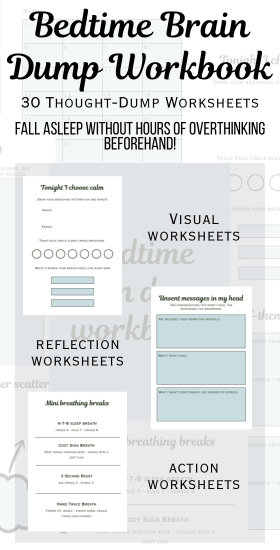
- Inhale through the nose for 4
- Exhale slowly through the mouth for 6
- Repeat for 3–5 minutes
Longer exhales activate the parasympathetic (“rest and digest”) response — the body’s natural sleep switch.
7. Create Emotional Safety
Sleep improves when your body feels safe.
This can look like:
- A comforting scent (lavender, cedarwood)
- A familiar blanket or texture
- Soft music or silence
- Self-talk that reassures rather than pressures
You don’t need to “earn” rest. You are allowed to stop.