

Stress hormones like cortisol and adrenaline aren’t inherently bad, they help us wake up, focus, and respond to challenges. The problem arises when they stay elevated for too long, especially first thing in the morning. How you start your day sends a powerful signal to your nervous system about whether it’s safe to relax… or brace for impact.
The good news? You don’t need a perfect routine or a 5am wake-up to calm your stress response. Small, intentional morning rituals can gently lower stress hormones and set a steadier tone for the rest of the day.
Here are 7 simple morning rituals that help your body move out of fight-or-flight and into balance.
1. Delay Your Phone for the First 15 Minutes
Checking your phone immediately after waking exposes your brain to notifications, emails, news, and social comparison, all of which can spike cortisol before you’ve even left bed.
Try this instead:
Give yourself 10–15 minutes without screens. Stretch, breathe, or simply sit quietly. This creates a calmer cortisol curve rather than an abrupt stress surge.
Why it works: Your brain stays in a slower, more regulated state, reducing early-morning adrenaline spikes.
2. Get Natural Light as Soon as Possible
Morning sunlight helps regulate your circadian rhythm and cortisol timing. When cortisol rises naturally in the morning (as it should), it falls more smoothly later in the day.
Simple options:
- Step outside for 5–10 minutes
- Open curtains immediately
- Sit by a bright window while you drink water or tea
Why it works: Light exposure anchors your internal clock, preventing stress hormones from staying elevated into the evening.
3. Start With Gentle Movement, Not Intense Exercise
High-intensity workouts first thing can raise cortisol further, especially if you’re already stressed or under-rested.
Better morning movement options:
- Slow stretching
- Yoga
- A short walk
- Mobility exercises
Why it works: Gentle movement releases tension without activating the fight-or-flight response.
4. Hydrate Before Caffeine
Cortisol naturally peaks in the first hour after waking. Adding caffeine before hydration can exaggerate that spike.
Try this ritual:
- Drink a glass of water first
- Then have your coffee or tea 20–30 minutes later
Why it works: Hydration supports blood pressure and adrenal balance, helping cortisol rise more smoothly rather than sharply.
5. Take 2 Minutes to Breathe Slowly
Slow breathing directly signals safety to your nervous system.
Simple breathing ritual:
- Inhale for 4 seconds
- Exhale for 6 seconds
- Repeat for 2 minutes
Why it works: Longer exhales activate the parasympathetic nervous system, lowering cortisol and heart rate.
6. Eat a Balanced Breakfast (or Break Your Fast Gently)
Skipping food in the morning can increase cortisol for some people, particularly during stressful periods.
Aim for:
- Protein (eggs, yogurt, nuts)
- Healthy fats
- Some carbohydrates
Why it works: Stable blood sugar reduces the need for stress hormones to keep energy levels up.
7. Choose One Intentionally Calm Focus
Instead of immediately planning your entire day, choose one grounding intention.
Examples:
- “Today, I move slowly where I can.”
- “I’ll take breaks before I feel overwhelmed.”
- “I don’t need to rush to be productive.”
Why it works: Your brain perceives clarity and safety, reducing the background release of stress hormones.
Similar Articles:
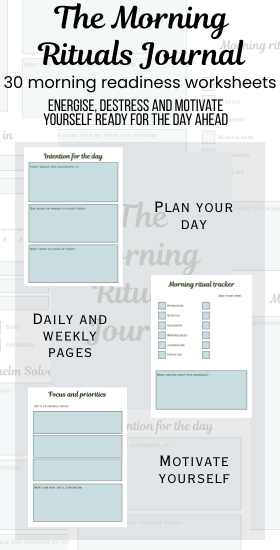
The Morning Rituals Journal: A journal made for your morning mental mindset
How to Build the Perfect Morning Routine for Your Mental Wellbeing