

Therapy has long been recognized as a powerful way to improve mental health, build emotional resilience, and manage conditions like anxiety. However, not everyone has immediate access to in-person therapy due to cost, location, time constraints, or personal comfort. This is where therapy at home becomes incredibly valuable.
Home-based therapy doesn’t replace professional care when it’s needed, but it does empower individuals to take an active role in their mental wellbeing. Through structured activities, evidence-based techniques, and modern digital tools, people can reduce anxiety, better understand their emotions, and create healthier thought patterns, all from the comfort of their own space.
Understanding Anxiety and the Role of At-Home Therapy
Anxiety often shows up as persistent worry, racing thoughts, physical tension, or avoidance behaviors. While professional therapy helps uncover deeper causes, at-home therapy focuses on:
- Increasing self-awareness
- Regulating emotions
- Building coping skills
- Creating consistency in mental health care
When practiced regularly, these approaches can significantly reduce anxiety symptoms and improve daily functioning.
Latest Trends in At-Home Therapy for Anxiety
1. Digital Mental Health Tools
Technology has transformed therapy at home. Popular tools include:
- Therapy and mental health apps using CBT-based exercises
- AI-powered journaling and mood tracking tools
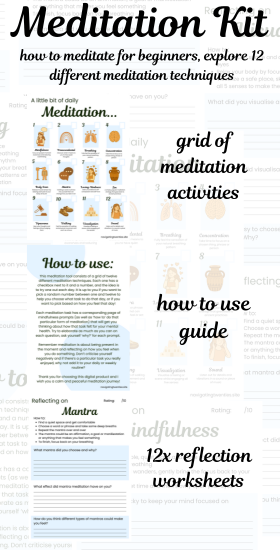
- Guided meditation and breathwork platforms
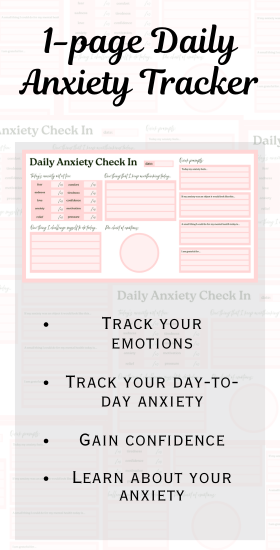
- Digital anxiety journals (or other mental health related journals)
These tools provide structure, reminders, and progress tracking—key factors for long-term success.
2. Self-Guided Cognitive Behavioral Therapy (CBT)
CBT remains one of the most effective treatments for anxiety. At home, this often includes:
- Identifying negative thought patterns
- Challenging unhelpful beliefs
- Replacing them with balanced, realistic thoughts
Worksheets, prompts, and daily reflection exercises are commonly used to support this process.
3. Mindfulness and Nervous System Regulation
Modern therapy increasingly emphasizes calming the nervous system, not just changing thoughts. Popular practices include:
- Mindfulness meditation
- Grounding exercises (5-4-3-2-1 technique)
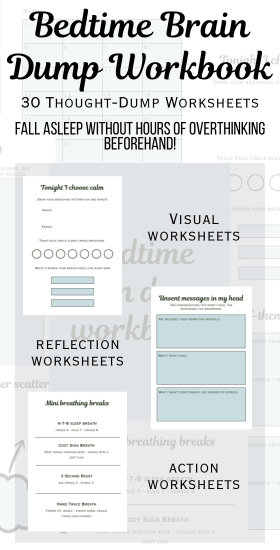
- Breath-focused practices (box breathing, extended exhale breathing)
These techniques help reduce physical anxiety symptoms and increase emotional control.
4. Create a Dedicated Therapy Routine
Consistency is more important than duration. Aim for:
- 10–20 minutes daily
- A quiet, familiar space
- The same time each day
This trains your brain to associate the routine with safety and reflection.
5. Practice Exposure in Small Steps
Avoidance fuels anxiety. Gentle, planned exposure helps retrain your brain:
- Start with low-stress situations
- Gradually increase difficulty
- Reflect afterward on what actually happened
This builds confidence and reduces fear responses.
6. Incorporate Body-Based Techniques
Anxiety lives in the body as much as the mind. Helpful practices include:
- Light exercise or stretching
- Progressive muscle relaxation
- Cold water face splashes or temperature shifts
These techniques signal safety to the nervous system.