

Healing is often portrayed as a big breakthrough, a moment where everything suddenly makes sense and pain disappears. In reality, healing is usually quieter and slower. It happens in the small, repeated choices we make every day. A self-care routine isn’t about perfection or productivity; it’s about creating safety, consistency, and compassion for yourself as you move forward.
This post contains affiliate links.
- What Healing Really Looks Like
- Why Routine Matters in Healing
- Building a Healing Self-Care Routine
- Letting Go of “Perfect” Healing
- How Self-Care Builds Self-Trust
What Healing Really Looks Like
Healing doesn’t mean you never feel tired, sad, or triggered again. It means you learn how to support yourself when those moments arise. A self-care routine helps shift healing from something you hope happens into something you actively participate in.
When you show up for yourself consistently, your nervous system begins to trust that it doesn’t have to stay in survival mode.
Why Routine Matters in Healing
Routine creates predictability, and predictability creates calm. When life feels uncertain or overwhelming, even the smallest structure can be grounding. A self-care routine gives your mind and body a rhythm: a reminder that you are cared for, even on hard days.
This doesn’t mean rigid schedules or long to-do lists. Healing routines work best when they’re flexible, gentle, and realistic.
Building a Healing Self-Care Routine
The most effective self-care routines are simple and intentional. Start by focusing on practices that meet your basic emotional and physical needs.
1. Begin with regulation, not motivation
Before adding goals or habits, focus on calming your system. This might be slow breathing, stretching, a short walk, or sitting in silence for a few minutes.
2. Choose practices that feel nourishing
Self-care shouldn’t feel like another obligation. Notice what genuinely helps you feel a little more settled or supported. That could be journaling, making a warm drink, listening to music, or spending time outside.
3. Keep it small and repeatable
Consistency matters more than intensity. Five minutes of daily care is more healing than an hour you only manage once a month.
Self-Care as Emotional Support
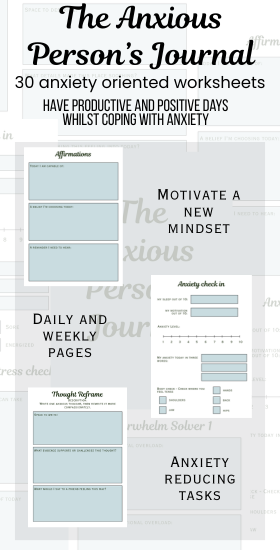
A healing routine isn’t just about physical wellness—it’s about emotional presence. Making time to check in with yourself allows you to notice what you’re carrying instead of pushing it away.
You might include:
- A short daily reflection
- Naming one emotion you’re feeling
- Practicing self-talk that’s kind rather than critical
Over time, this builds emotional resilience and self-trust.


Letting Go of “Perfect” Healing
One of the biggest obstacles to healing is the belief that you’re doing it wrong. Healing isn’t linear, and your routine doesn’t need to look the same every day. Some days, self-care might mean movement and productivity. Other days, it might mean rest and doing less.
Both are valid.
How Self-Care Builds Self-Trust
Each time you follow through on a small act of care, you send yourself a powerful message: I matter. That message accumulates. Healing becomes less about fixing yourself and more about learning to stay with yourself—through discomfort, growth, and change.