

Panic attacks can feel sudden, overwhelming, and terrifying, often leaving people convinced that something is seriously wrong with them. For many, the experience is so intense that it leads to ongoing fear of future attacks, avoidance of daily activities, and a deep sense of isolation. Yet panic attacks are far more common than most people realize, and they are rooted in understandable biological and neurological processes.
Educating people about mental health and anxiety is one of the most powerful ways to reduce stigma and fear. When we understand what’s happening in the brain and body during a panic attack, the experience becomes less mysterious and less threatening. Knowledge doesn’t make panic disappear overnight, but it can transform how we respond to it. This post explores the science behind panic attacks, recent insights into anxiety, and evidence-based strategies and tools that can help people regain a sense of control.
What Is a Panic Attack?
A panic attack is a sudden surge of intense fear or discomfort that peaks within minutes and is accompanied by strong physical symptoms. These may include a racing heart, shortness of breath, dizziness, sweating, trembling, chest pain, or a fear of losing control or dying.
From a scientific perspective, a panic attack is not dangerous, even though it feels alarming. It is a misfiring of the body’s natural threat response: essentially a false alarm. Panic attacks differ from general anxiety in that they are acute, intense episodes rather than a constant state of worry, although the two often overlap.
The Brain’s Role in Panic Attacks
At the center of a panic attack is the brain’s survival system. The amygdala, a small structure responsible for detecting threats, becomes hyperactive and signals danger, even when no real threat is present. This message bypasses rational thinking and activates the body’s emergency response.
Meanwhile, the prefrontal cortex, the part of the brain responsible for logic and decision-making, becomes less active. This is why it’s so difficult to “think your way out” of a panic attack. The brain is prioritizing survival over reasoning, even though the danger is imagined rather than real.
What Happens in the Body During a Panic Attack
Once the brain perceives danger, the sympathetic nervous system takes over. Stress hormones such as adrenaline are released, triggering physical changes designed to help the body escape a threat. Heart rate increases, breathing becomes rapid, muscles tense, and blood flow shifts.
These reactions are meant to protect us, but during a panic attack, they occur without a genuine cause. Hyperventilation can lead to lightheadedness or tingling, and increased heart rate can feel like a medical emergency. These sensations often intensify fear, creating a cycle that fuels the panic further.
Why Panic Attacks Feel So Intense
Panic attacks feel real because they are real physical experiences. The brain interprets bodily sensations, such as chest tightness or dizziness, as signs of danger, which increases fear and heightens physical symptoms.
This feedback loop between the mind and body explains why panic can escalate so quickly. Over time, fear of having another panic attack can make the nervous system even more sensitive, increasing the likelihood of future episodes. This is known as the panic cycle, and understanding it is a key step toward breaking it.
Common Triggers and Risk Factors
Panic attacks can be influenced by a variety of factors, including: genetics, long-term stress, trauma, and chronic anxiety. Lifestyle factors such as lack of sleep, excessive caffeine intake, and prolonged stress can also increase vulnerability.
Importantly, many panic attacks appear to come “out of nowhere.” This doesn’t mean they are random, it often means the trigger is internal, such as subtle bodily sensations or subconscious stress, rather than an obvious external threat.
Latest Trends in Understanding Panic and Anxiety
Recent research has shifted the focus from trying to eliminate anxiety to learning how to regulate the nervous system. There is growing recognition of the mind–body connection and the importance of calming physiological responses rather than fighting them.
Modern approaches emphasize education, self-awareness, and nervous system regulation. Digital mental health tools, increased access to psychoeducation, and reduced stigma around anxiety have made support more accessible than ever. Understanding panic as a biological process, not a personal failure, has become a central theme in contemporary mental health care.
Science-Backed Strategies for Managing Panic Attacks
Evidence-based strategies focus on calming the nervous system and changing the relationship with fear. Controlled breathing techniques can reduce hyperventilation and signal safety to the body. Grounding exercises help anchor attention in the present moment and reduce fear escalation.
Cognitive and acceptance-based approaches teach individuals to observe panic symptoms without resisting them. Rather than fighting panic, learning to allow sensations to pass often reduces their intensity over time. Consistency, patience, and self-compassion are essential parts of this process.
Tools That Support People Living With Anxiety
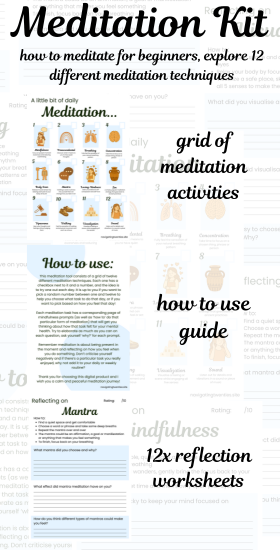
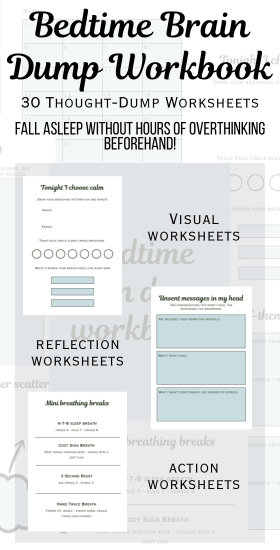
Many tools can support individuals dealing with panic attacks. Mobile apps offer guided breathing, anxiety tracking, and educational resources. Journaling tools help identify patterns and triggers, while wearables can increase awareness of heart rate and stress responses. Some great digital journals can be found on Etsy.
Professional support, such as therapy or medical guidance, can also be a valuable tool, especially for those experiencing frequent or severe panic attacks. The right tools can help transform panic from something feared into something understood.