

Motherhood is often described as one of the most meaningful roles in life, but it can also be one of the most emotionally demanding. Between caring for children, managing households, working, and carrying the invisible mental load, many mums put their own mental health at the very bottom of the list.
But looking after your mental health isn’t selfish. In fact, it’s one of the most powerful things you can do for your children. Read on to learn simple things you can do to focus on your mental health more with minimum time requirements.
Your Mental Health Shapes Your Parenting
Children don’t just learn from what we say — they learn from how we are. When a mum is constantly overwhelmed, exhausted, or emotionally depleted, it becomes harder to be patient, present, and responsive.
When your mental health is supported:
- You’re more emotionally available
- You respond rather than react
- You have greater patience and empathy
- You model healthy coping skills for your children
- Home feels calmer and safer for everyone
A regulated parent helps raise regulated children.
You Set the Emotional Tone of the Home
Mums often act as the emotional anchor of the household. When you’re constantly running on empty, stress and tension can quietly ripple through family life. When you’re supported and grounded, that sense of steadiness is felt too.
Looking after your mental health isn’t about being happy all the time — it’s about having the capacity to cope, repair, and reconnect when things are hard.
You’re Teaching Your Children How to Care for Themselves
When children see their mum resting, setting boundaries, asking for help, or speaking kindly to herself, they learn that:
- Feelings matter
- Rest is allowed
- Asking for support is healthy
- Self-worth isn’t tied to productivity
This may be one of the most lasting lessons you pass on.
How Mums Can Look After Their Mental Health (Realistically)
Mental health care doesn’t need to be expensive, time-consuming, or perfect. Small, consistent practices matter more than big gestures.
1. Let Go of the “Selfish” Myth
Caring for yourself doesn’t take away from your children — it gives back to them. You’re not choosing yourself instead of them; you’re choosing yourself for them.
2. Build Small Daily Anchors
You don’t need an hour-long routine. Try:
- 5 quiet minutes with your morning drink
- A short walk outside
- A few deep breaths before responding
- Writing one sentence about how you feel
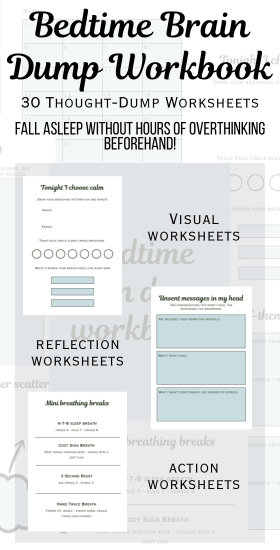
These moments add up. There are some great motherhood journals out there that will allow you to take time on your mental health without having to spend time coming up with what to write, here is a structured mum reset journal that I would recommend: The Calm Mum Reset Journal
3. Name What You’re Carrying
So much of motherhood stress is invisible. Naming your feelings — whether through journaling, talking, or quiet reflection — helps reduce the mental load. You don’t have to fix everything; sometimes acknowledging it is enough.
4. Ask for (and Accept) Support
You were never meant to do this alone. Support might look like:
- Talking honestly with a partner or friend
- Lowering expectations during hard seasons
- Seeking professional help when needed
Strong mums ask for help. They don’t power through at all costs.
5. Set Gentle Boundaries
You are allowed to:
- Say no
- Rest without earning it
- Protect your energy
- Choose what truly matters today
Boundaries aren’t walls — they’re care.
6. Speak to Yourself with Kindness
Pay attention to how you talk to yourself. Would you say those words to your child? Self-compassion isn’t indulgent; it’s grounding.
A Healthier Mum Means a Healthier Family
Looking after your mental health doesn’t make you a perfect parent — but it makes you a more present, connected, and resilient one. Your children don’t need a mum who does everything. They need a mum who is supported, emotionally safe, and human.
You matter too. And when you care for yourself, you’re teaching your children one of the most important lessons of all: that their wellbeing — and yours — is worth protecting.